


Milkweed Seed Pod Collection
To help foster the creation of habitat for the monarch butterfly, Ohio Pollinator Habitat Initiative (OPHI), in cooperation with Ohio Soil and Water Conservation Districts organizes a statewide Milkweed Pod Collection each fall.
Please join us in collecting Common Milkweed seed pods each year from October to November. The collection bin is located outside our office door in the lobby of the Lorain County Agricultural Center, 42110 Russia Rd., Elyria, OH 44035. If it is not, please bring your collected pods into our office.
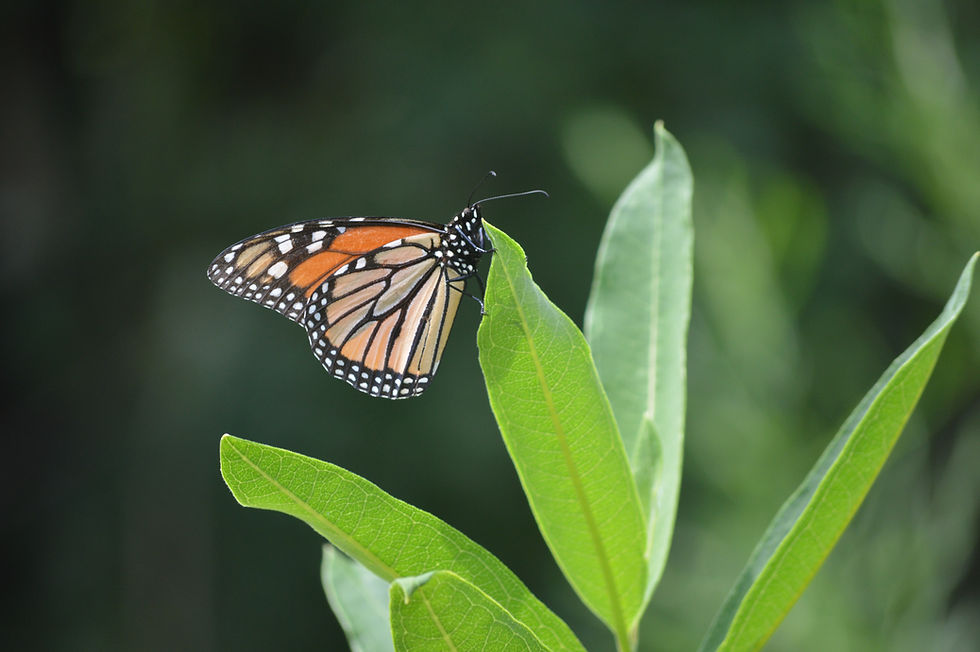
Milkweed is essential to the survival of monarch butterflies in Ohio, which is a priority area for monarchs. The monarch butterflies that hatch here in the late summer migrate to Mexico for the winter and are responsible for starting the life cycle all over again in the spring.
Milkweed is the only host plant for the monarch butterfly for egg laying and caterpillar rearing. It also serves as a nectar source for monarchs and many other pollinator species. The disappearance of milkweed across the U.S. has contributed to an 80% decline of the eastern monarch butterfly population over the last 20 years.
Collecting Seed Pods
-
Become familiar with common milkweed to avoid harvesting pods from similar plants such as hemp dogbane and swamp milkweed.
-
To collect the seed pods from a Common Milkweed plant it is best to pick them when they are dry and gray or brown in color. If the center seam of the pod pops with gentle pressure, they can be picked. The picture below is a good example of what to look for & when to harvest the pods.
-
Place collected pods in paper bags or paper grocery sacks. NO PLASTIC BAGS! Plastic bags collect unwanted moisture & create mold, which destroys the viability of the valuable seed.
-
On the bag, please write the date you collected the pods and the county you collected them from.
-
Keep the pods in a cool, dry area until you can deliver them to the Lorain SWCD office.
-
Only collect from your property or property you have been given permission to go on; do not trespass.
-
During the winter, seeds from the milkweed seed pod collection will be removed from the pods and returned to Lorain SWCD in the spring to be distributed for planting.


Milkweed species that do well in Lorain County

Common milkweed - Asclepias syriaca
The wonderful fragrance & large clusters of dusty pink flowers make common milkweed a lovely addition to a naturalized or cottage garden setting. Common milkweed is easily propagated by both seed and rhizome cuttings. Both seedlings and cuttings will usually bloom in their second year, although cuttings will occasionally bloom during their first year. Common milkweed increases by underground shoots and can be considered an aggressive spreader.
Common milkweed seed pods are collected by this office each fall for the Ohio Pollinator Habitat Initiative (OPHI) program.

Swamp (or rose) milkweed - Asclepias incarnata
Swamp (or rose) milkweed is considered common milkweed's "better behaved cousin" as it does not spread by rhizomes, instead the plant grows as a larger clump each year. The leaves are slender & tender, making it a favorite of young monarch caterpillars that easily munch entire leaves. Despite its name, swamp milkweed can grow quite well in drier settings in full to part sun, though wetter environments is where it does best. It is also not picky about the types of soils it grows in, growing in heavy clay to sandy soils.
Its deep pink blooms & sturdy, upright stature make this a wonderful addition to any garden.

Butterfly milkweed - Asclepias tuberosa
The only milkweed with clear sap, this milkweed is a stunning bright orange flowered species. The leaves are slender, but thicker & tougher than other species, making this one of the less preferred species when other species (like swamp milkweed) are offered. Pair it with mountain mints (Pycnanthemum species) & spiderwort (Tradescantia species) for a stunning summer display of colors. The upright, rigid stems also offer good support for other flowering species that could benefit from the assistance.

Purple milkweed - Asclepias purpurascens
The most vividly colored of the milkweeds, purple milkweed can be one of the harder species to get established. It also is one of the milkweed species that is readily eaten by monarch & tussock moth caterpillars, seemingly preferred over other species.*
Natural habitat in Ohio is open woods, fields, thickets, and roadsides. Ecological observations of permanently marked stands made over a ten-year period have shown that growth is highly variable from year to year, and flowering and seed set are sporadic and unpredictable.
(*Anecdotal evidence seen in staff member Patti's yard over the past several years.)

Whorled milkweed - Asclepias verticillata
Whorled milkweed is a less common & more diminutive milkweed species in Ohio. It rarely gets above 24 inches tall. Whorled milkweed has small, off-white flowers that bloom from July into September. This species gets its name from its thin, needle-like leaves that form in a whorled pattern around its stem. Due to its narrow leaves and stems, this species blends in with grasses and is easily overlooked when not in bloom.
Whorled milkweed is more common in states further west but can naturally occur scattered throughout Ohio. This species prefers to grow in dry, sunny conditions.